Every Little Thing You Need To Understand About Postpartum Urinary Incontinence
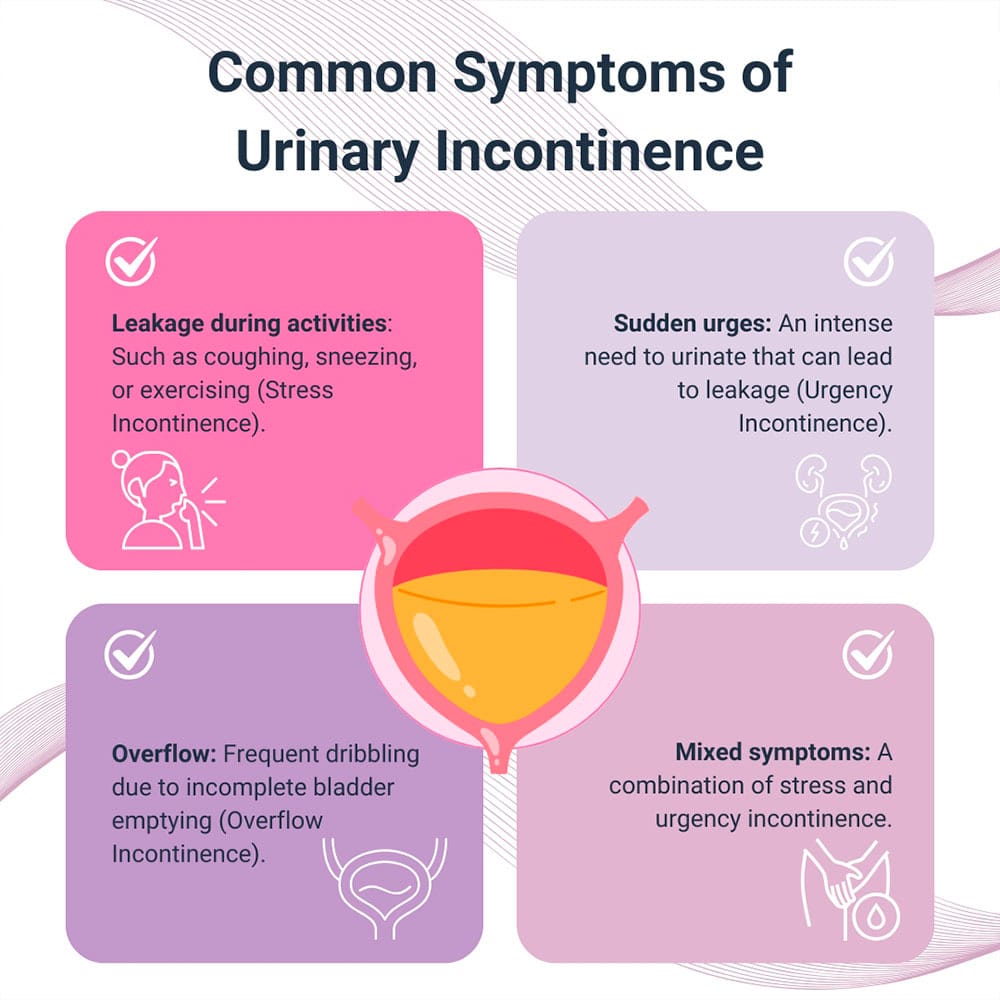
Just How To Take Care Of Leakages Throughout And After Maternity National Association For Continence Both most common sorts of urinary system incontinence that influence females are tension urinary incontinence and urge urinary incontinence, additionally called over active bladder. This may be because maternity, childbirth, and menopause might make urinary incontinence most likely. Urinary system incontinence is not a regular part of aging, and it can be treated. Pregnancy and childbirth are tough on the body and can affect more than your uterus. The excess weight from your expanding baby can put pressure on your bladder and other bordering body organs, frequently damaging the muscular tissues that manage urine circulation, the pelvic flooring muscle mass. You can never ever completely anticipate what pregnancy, labor, shipment, and life will certainly bring. Our group is a relied on resource for info - connect with us here. You can thank your broadening womb for taxing the bladder and making you spritz when you walk, talk, laugh and sneeze. As time goes on and the typical adjustments of aging and weakening of the tissues occurs, incontinence might result. At present, only advanced and pricey tests like MRI or nerve transmission studies can inform if these muscular tissues and nerves have actually gone back to normal. Regrettably, there is no practical, simple method now for you or your doctor to understand if these muscular tissues are compromised and predestined to lead to urinary incontinence. If the volunteer pushing component of labor can be restricted to less than one hour, studies reveal a reduced occurrence of injury to the nerves and muscles of the pelvis. This alternative might be a more secure and even more all-natural method to deliver by letting the womb do the job it was designed to do. Studies reveal that around 60 percent of ladies will certainly recuperate fully from urinary incontinence within 2 months postpartum, and many will return to normal within a year.
- Urinary incontinence also ends up being more typical as a female ages-- specifically throughout menopause.
- Some women may gain from bladder training for incontinence, a strategy that involves gradually raising the time between shower room brows through to improve bladder capability and decrease the frequency of urges.
- You can make lots of tiny modifications to your everyday routine to soothe undesirable stress on the bladder.
- Kegels can be done resting or sitting down and need to only concentrate on tightening your pelvic flooring muscles, not your abdominal area, upper legs, or butt.
- However recognize that in the vast bulk of instances, pads only require to be a short-term remedy.
- The expert may be a urologist, who deals with urinary issues in both males and females, or a urogynecologist, who has special training in the female urinary system.
Vaginal Gadgets
Most included studies showed a modest risk of bias, which influences the possibility to distinguish frequency between groups regarding danger of methodological high quality. The mean occurrence of UI reported by studies with reduced and modest risk of prejudice did not differ. Nonetheless, the one high threat research study reported the greatest prevalence of 63% [48] Due to the fact that a heavy frequency number was computed, this high risk study with only 196 individuals and low reaction price of 25.6% rarely affects the overall prevalence of UI. We performed a methodical evaluation and meta-analysis of empirical studies (cross-sectional and friend researches) reporting on the prevalence and incidence [17] of UI after shipment and experienced trouble. A growing womb areas pressure on the bladder and may cause the demand to pass urine often and, sometimes, urinary incontinence. As babies expand during pregnancy, they push down on your bladder, urethra, and pelvic flooring muscular tissues. This pressure can weaken the pelvic flooring muscular tissues and result in involuntary loss of pee (urinary incontinence) or issues passing pee. Hormone modifications (what else is brand-new?) throughout and after maternity can batter your bladder as well. If, along with various other postpartum signs like perineal pain and bowel irregularity, you're discovering that it's tougher to control your bladder after giving birth, you're not the only one. Consuming percentages of fluid many times throughout the day-- instead of a lot of fluid at the same time-- can help manage dripping. If frequent nighttime peeing is a problem, don't consume fluids 3 to four hours prior to bed. The full messages of these possibly eligible researches were fetched Continence specialist and individually analyzed for qualification by these two reviewers. Any type of difference on eligibility was solved with conversation with a third customer (BB).What does a postpartum bladder prolapse seem like?
you have throbbing pain in your pelvic region or back. you have problem mosting likely to the commode. You may need to pee a lot, have difficulty clearing your bladder or bowel, or pee mistakenly.
Locate Your Care
Working out these muscular tissues during pregnancy has been revealed to lower incontinence during pregnancy and right after delivery. Correct pelvic floor activation and gradual filling prescription reestablish function and confidence for running, jumping, or lifting without unpleasant accidents. Gain back control over your pelvic flooring function and change activity without avoiding your interest. Call today to overcome postnatal pelvic floor barriers interfering with an active way of life. Ongoing gentle mobilization treatment also eliminates sticking around scar cells or adhesions, alluring nerves and endangering healing. The expert might be a urologist, who treats urinary system issues in both males and females, or a urogynecologist, that has special training in the female urinary system. You could additionally need to see a pelvic floor professional, a sort of physiotherapist, that will deal with you to strengthen your pelvic flooring muscle mass that sustain the urinary tract. Postpartum irregularity can stress pelvic flooring muscular tissues, which may cause bladder control issues or make stress and anxiety urinary incontinence worse. To help protect against irregularity, consume more fiber, remain hydrated, and stay clear of stressing on the commode, suggests Dr. Marquez. Instead, position a tiny feces or box beneath your feet so your knees sit more than your hips.Exactly How Does The Bladder Function?
After the cervix is totally dilated, the pushing stage of labor begins. The mommy is usually asked to await a tightening to start, then hold her breath, and bear down as hard as she can in order to press the infant out. This birthing down presses the child's head against the mom's muscles and nerves to such an extent that the typical flow of blood is removed briefly up until that push is over. Without a fresh supply of blood, the tissues are robbed of oxygen and nutrition, making them much more vulnerable to damages. The pressures produced by pushing are 3 times greater than the tissues would generally tolerate for any type of prolonged time. However, minority mins of rest in between tightenings generally allows blood flow back to the area. If your signs and symptoms do not enhance after a couple of weeks and after attempting some of the approaches above, talk to your professional. Your very first line of defense is pads-- either routine menstruation pads or pads made use of especially for urinary incontinence. This section accumulates any type of information citations, information availability declarations, or supplemental products consisted of in this short article. Or Have a peek here calling for solutions of psychiatrists or social employees during pregnancy. Though total resolution prolongs beyond quick solutions, each minor milestone improvement maintains motivation, pushing with aggravation plateaus. Modern step-by-step loading offers the appropriate dose of stress and influence for promoting the tiny adjustment of collagen matrix components and accelerating fibroblast spreading and growth. 